

FAQ: Dry Eye Treatment in Fort Worth, TX
Fort Worth Optometry Co. provides dry eye treatment in Fort Worth, TX for patients who are dealing with irritation, burning, watering, redness, blurry vision, or ongoing discomfort. Dry eye can affect daily activities like reading, driving, screen use, and wearing contact lenses, so our team focuses on identifying the cause and recommending care that fits your eyes and lifestyle. Below are frequently asked questions on dry eye treatment.
What are the signs I need dry eye treatment?
You may need dry eye treatment if your eyes often feel gritty, itchy, tired, watery, red, or sensitive to light. Some patients also notice fluctuating vision, contact lens discomfort, or burning that gets worse during screen time. At Fort Worth Optometry Co., we evaluate your symptoms and eye surface health to help determine what is causing the dryness.
Why do my eyes feel dry even though they water?
Watery eyes can still be a sign of dry eye because irritation may trigger reflex tearing. These tears often do not have the right balance to properly protect and lubricate the eyes. Our dry eye treatment focuses on finding out whether your tear quality, tear production, eyelid health, or environment is contributing to the problem.
What causes dry eye?
Dry eye can be caused by screen use, allergies, weather changes, contact lens wear, aging, certain medications, eyelid inflammation, or meibomian gland dysfunction. Many patients have more than one contributing factor. We take time to look at the full picture so your dry eye treatment is based on the source of your symptoms.
How does Fort Worth Optometry Co. diagnose dry eye?
At Fort Worth Optometry Co., we diagnose dry eye by reviewing your symptoms, medical history, lifestyle, and eye health. We also examine the tear film, eyelids, and surface of the eyes to look for signs of inflammation, poor tear quality, or gland issues. This helps us recommend a treatment plan that is more personalized than over-the-counter drops alone.
Is dry eye treatment different from using artificial tears?
Yes, dry eye treatment often goes beyond artificial tears. Eye drops may help temporarily, but they do not always address the reason your eyes feel dry. At Fort Worth Optometry Co., we look for underlying causes like eyelid inflammation or poor oil production so we can guide you toward longer-term relief.
Can dry eye affect my vision?
Yes, dry eye can cause blurry or fluctuating vision for patients. When the tear film is unstable, light does not focus as smoothly on the eye, which can make vision come and go throughout the day. Treating dry eye can often improve comfort and help vision feel more consistent.
Why is screen time making my dry eye worse?
Screen time can worsen dry eye because people tend to blink less when using computers, phones, and tablets. Less blinking can cause tears to evaporate faster and leave the eyes feeling tired or irritated. We can help identify whether your screen habits, tear quality, or eyelid function are playing a role.
Can allergies and dry eye happen at the same time?
Yes, many patients experience allergies and dry eye at the same time. Allergies often cause itching and watering, while dry eye may cause burning, grittiness, redness, and fluctuating vision. Since the symptoms can overlap, an exam at Fort Worth Optometry Co. can help determine what is actually irritating your eyes.
Is dry eye treatment helpful for contact lens discomfort?
Dry eye treatment can be very helpful for contact lens discomfort. Dryness can make lenses feel scratchy, unstable, or difficult to wear for a full day. We can evaluate your tear film, lens fit, and eye surface to see whether dry eye treatment, a different lens material, or specialty contact lenses may improve comfort.
Can dry eye get worse if it is not treated?
Yes, untreated dry eye can become more frustrating over time and may lead to ongoing irritation, inflammation, or damage to the eye surface. Mild symptoms can also interfere with daily comfort before they become severe. Early dry eye treatment helps us manage the condition before it affects more of your routine.
What should I expect during a dry eye appointment in Fort Worth, TX?
During a dry eye appointment in Fort Worth, TX, we will ask about your symptoms, screen habits, contact lens wear, medications, and health history. We will also examine your eyes, eyelids, and tear film to look for signs of dryness or inflammation. From there, we explain what we find and recommend a treatment plan that makes sense for your needs.
Are there lifestyle changes that help dry eye?
Yes, some lifestyle changes can support dry eye treatment, such as taking screen breaks, staying hydrated, using proper lid hygiene, avoiding direct air from fans or vents, and wearing sunglasses outdoors. However, lifestyle changes are not always enough on their own. We can help you understand which habits matter most for your type of dry eye.
Who is more likely to need dry eye treatment?
Patients may be more likely to need dry eye treatment if they spend long hours on screens, wear contact lenses, have allergies, take certain medications, or have a history of eyelid inflammation. Dry eye also becomes more common with age. A thorough evaluation helps us understand your personal risk factors and symptoms.
How often should I come in for dry eye care in Fort Worth, TX?
The frequency of dry eye care in Fort Worth, TX depends on your symptoms, the cause of your dryness, and how your eyes respond to treatment. Some patients only need periodic monitoring, while others benefit from follow-up visits to adjust their plan. At Fort Worth Optometry Co., we recommend a schedule based on your eye health and comfort goals.
Where can I schedule dry eye treatment in Fort Worth, TX?
You can schedule dry eye treatment in Fort Worth, TX with Fort Worth Optometry Co. if you are tired of dealing with dryness, burning, watering, redness, or blurry vision. Our team provides personalized care to help identify the cause of your symptoms and guide you toward relief. We are here to help you feel more comfortable in your day-to-day life.
To learn more about dry eye treatment, contact Fort Worth Optometry Co. in Fort Worth, TX at (817) 646-3449. Our team is happy to help you schedule a visit and take the next step toward more comfortable, healthier eyes.
Helpful Articles
article_category: products
article_category: psychiatry
article_category: faqs
article_category: cats
article_category: general
article_category: services
article_category: technology
article_category: dogs
article_category: restorative
article_category: vision therapy
article_category: contact lenses
article_category: health
article_category: conditions
article_category: eye surgery co-management
article_category: exotic
article_category: cosmetic
article_category: surgical procedures
article_category: aesthetics
article_category: preventative
article_category: ocular disease management
article_category: eyeglasses
article_category: eye health
article_category: large animal
[]
article_category: psychiatry
article_category: faqs
article_category: cats
article_category: general
article_category: services
article_category: technology
article_category: dogs
article_category: restorative
article_category: vision therapy
article_category: contact lenses
article_category: health
article_category: conditions
article_category: eye surgery co-management
article_category: exotic
article_category: cosmetic
article_category: surgical procedures
article_category: aesthetics
article_category: preventative
article_category: ocular disease management
article_category: eyeglasses
article_category: eye health
article_category: large animal
[]
Flowbite is an open-source library of interactive components built on top of Tailwind CSS including buttons, dropdowns, modals, navbars, and more.
Check out this guide to learn how to get started and start developing websites even faster with components on top of Tailwind CSS.
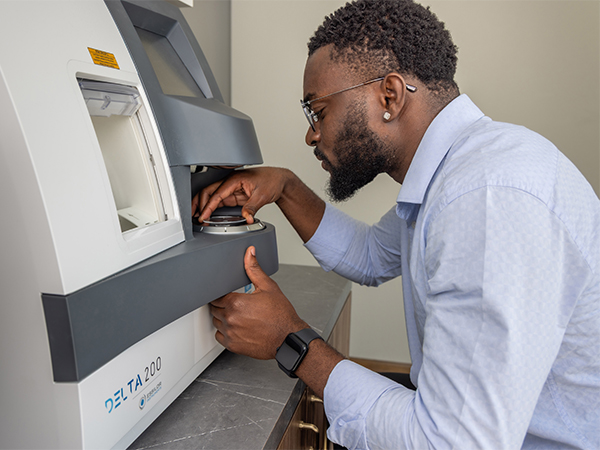
All Eye Care Services
Find personalized eye care excellence with our comprehensive services. From eye exams to advanced diagnostics, trust us for all your vision needs.
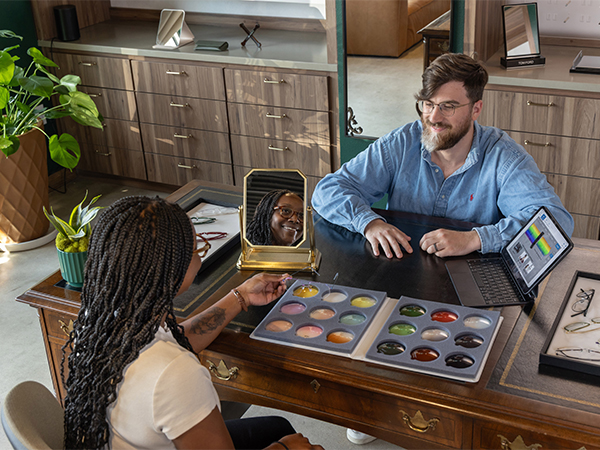
Keep In Touch
For non-urgent questions or to learn more about our services, contact us today!
© 2026 Fort Worth Optometry Co.. All rights Reserved - Accessibility Statement - Privacy Policy - Sitemap
Managed and Designed by 