

FAQ: Cataract Screenings in Fort Worth, TX
At Fort Worth Optometry Co., we provide thorough cataract screenings in Fort Worth, TX, to identify changes in the eye's natural lens and help protect long-term vision. Our eye doctors evaluate your eye health, monitor cataract development, and provide personalized recommendations based on your findings. Below are frequently asked questions on cataract evaluations.
1. What is a cataract screening, and why is it important?
A cataract screening is an eye evaluation that checks for clouding of the eye's natural lens, which can gradually affect vision. We assess lens clarity and identify changes that may require monitoring. Early detection allows us to track cataract progression and recommend appropriate care before vision difficulties significantly affect daily activities.
2. What are the early signs of cataracts that patients should watch for?
Common signs include blurry or cloudy vision, increased sensitivity to glare, difficulty seeing at night, faded colors, and frequent prescription changes. Some cataracts develop without noticeable symptoms initially. Our Fort Worth eye doctors evaluate these changes and determine whether cataracts or another eye condition may be responsible.
3. How do your Fort Worth eye doctors check for cataracts during an eye exam?
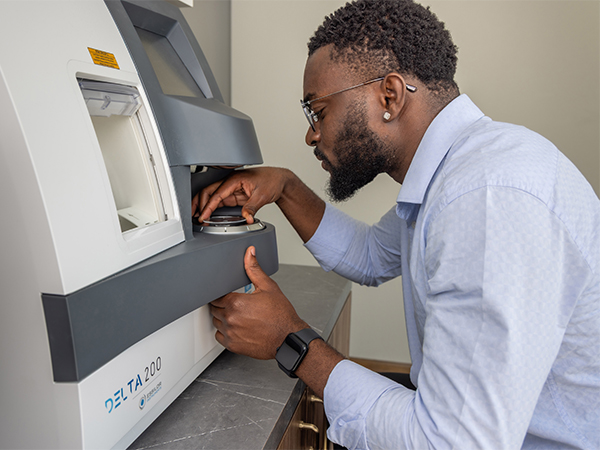
During cataract screenings, we assess visual clarity and examine the eye's natural lens using specialized examination equipment. We may also dilate your pupils when necessary to evaluate your overall eye health. Our Fort Worth eye doctors use these findings to determine whether cataracts are developing and how they may be affecting your vision.
4. At what age should I start getting cataract screenings?
Cataracts become more common with age, particularly after 60, but they can develop earlier. Adults should receive regular comprehensive eye exams that include an evaluation of lens health. We recommend screening frequency based on your age, medical history, symptoms, and individual risk factors rather than waiting for noticeable vision changes.
5. How often should I schedule cataract evaluations in Fort Worth?
The appropriate schedule depends on your age, risk factors, and whether cataracts have already been identified. Many older adults benefit from annual comprehensive eye exams, while patients with developing cataracts may need more frequent monitoring. We establish personalized follow-up schedules at our Fort Worth practice to track changes and address concerns promptly.
6. Can cataracts develop without symptoms?
Yes, early cataracts often develop gradually without causing obvious vision problems. A comprehensive eye exam allows us to identify clouding in the natural lens before it significantly affects your eyesight. Our optometrists in Fort Worth evaluate these changes and determine whether routine monitoring or additional care is necessary.
7. Are cataract screenings painful?
No, cataract screenings are generally painless and are performed as part of a thorough eye examination. We use specialized instruments and lighting to evaluate the lens and surrounding eye structures. If dilation is necessary, you may experience temporary light sensitivity or blurred near vision afterward. Our team explains each part of the examination.
8. Can cataracts cause difficulty driving at night?
Yes, cataracts can increase glare from headlights, create halos around lights, and reduce contrast sensitivity, making nighttime driving more challenging. If you notice these symptoms, our Fort Worth eye doctors can evaluate whether cataracts are contributing to your difficulties and recommend appropriate next steps to address your vision and driving safety.
9. How can I tell whether blurry vision is caused by cataracts or another eye condition?
Blurry vision can result from cataracts, dry eye, prescription changes, or other eye conditions. The symptoms may overlap, making a comprehensive evaluation important. At Fort Worth Optometry Co., we examine your vision and eye health to identify the cause and recommend care based on our findings rather than symptoms alone.
10. Can cataracts be managed without surgery?
Yes, early cataracts often can be monitored without immediate surgery. Cataract management in Fort Worth may include updated eyeglass prescriptions, improved lighting, glare reduction strategies, and regular examinations. Our Fort Worth optometrists track changes in your vision and help determine when these measures are no longer providing adequate visual clarity.
11. What happens if your eye doctors in Fort Worth find a cataract?
If we identify a cataract, we evaluate its severity and determine how much it affects your vision. Our eye doctors in Fort Worth explain the findings, establish an appropriate monitoring schedule, and discuss available options. When cataracts begin interfering with daily activities, we can recommend a consultation with a cataract surgeon.
12. When should I consider cataract surgery after an evaluation?
Cataract surgery is generally considered when cloudy vision begins interfering with activities such as reading, driving, or working and glasses no longer provide sufficient improvement. During cataract evaluations in Fort Worth, we assess how your vision is functioning and discuss whether a surgical consultation is appropriate. The decision depends on your visual needs and overall eye health.
13. Do I still need cataract screenings if I wear glasses or contact lenses?
Yes, wearing corrective lenses does not prevent cataracts or eliminate the need for regular eye examinations. Cataracts affect the natural lens inside your eye, and prescription changes alone cannot fully address advanced clouding. We evaluate both your prescription and eye health to identify cataracts and other potential concerns.
14. Does diabetes increase the need for cataract screenings?
Yes, diabetes increases the risk of developing cataracts and may contribute to their development at an earlier age. Patients with diabetes also require careful monitoring for other eye complications, including diabetic retinopathy. Our Fort Worth eye doctors evaluate these concerns during comprehensive and diabetic eye examinations and recommend follow-up care based on individual needs.
15. Why choose Fort Worth Optometry Co. for cataract screenings in Fort Worth, TX?
At Fort Worth Optometry Co., we provide detailed eye examinations, personalized cataract monitoring, and clear recommendations for protecting your vision. Our Fort Worth optometrists focus on identifying changes early, explaining your options, and helping you make informed decisions about your eye health. We prioritize thorough evaluations and ongoing care tailored to each patient's needs.
If you are experiencing blurry vision, increased glare, or other changes in your eyesight, schedule a cataract screening with Fort Worth Optometry Co. in Fort Worth, TX. Call (817) 646-3449 to book an appointment and receive personalized guidance on your eye health.
Helpful Articles
All Eye Care Services
Find personalized eye care excellence with our comprehensive services. From eye exams to advanced diagnostics, trust us for all your vision needs.
Keep In Touch
For non-urgent questions or to learn more about our services, contact us today!
© 2026 Fort Worth Optometry Co.. All rights Reserved - Accessibility Statement - Privacy Policy - Sitemap
Managed and Designed by 